Visitor Visa Canada
Tourist, Family & Business Visits
If you plan to travel to Canada for tourism, to visit family, or for short-term business activities, you may need a Visitor Visa for Canada, officially known as a Temporary Resident Visa (TRV). The TRV is a visa placed in your passport confirming that you meet the basic requirements to enter Canada as a temporary resident.
In most cases, visitors are allowed to stay in Canada for up to six months per visit.
Parents and grandparents of Canadian citizens or permanent residents may be eligible for a Super Visa, which allows longer stays — up to five years at a time, with the visa itself remaining valid for up to ten years.
What Is a Visitor Visa (Temporary Resident Visa – TRV)?
A visitor visa for Canada is an official visa counterfoil placed into your passport, and proof that a visa office has reviewed your application and found you meet the requirements to travel to Canada as a visitor
When entering Canada, you still need to satisfy a border services officer that your visit is temporary, and you’ll leave Canada at the end of the expiry date of your visa.
If you’re from a visa-exempt country, you may instead need an Electronic Travel Authorization (eTA).

Do You Need a Visitor Visa of Canada or an eTA?
You usually need a visitor visa (TRV) if you hold a passport from a visa-required country, and want to come to Canada for tourism, to visit family or friends, to attend a conference, or to transit through Canada.
You apply for eTA instead of a TRV if you are visa-exempt and travelling to Canada by air.
Not sure what you need to travel? Visa4you makes it easy to find out whether your trip requires a TRV, eTA, Super Visa, or another entry document.
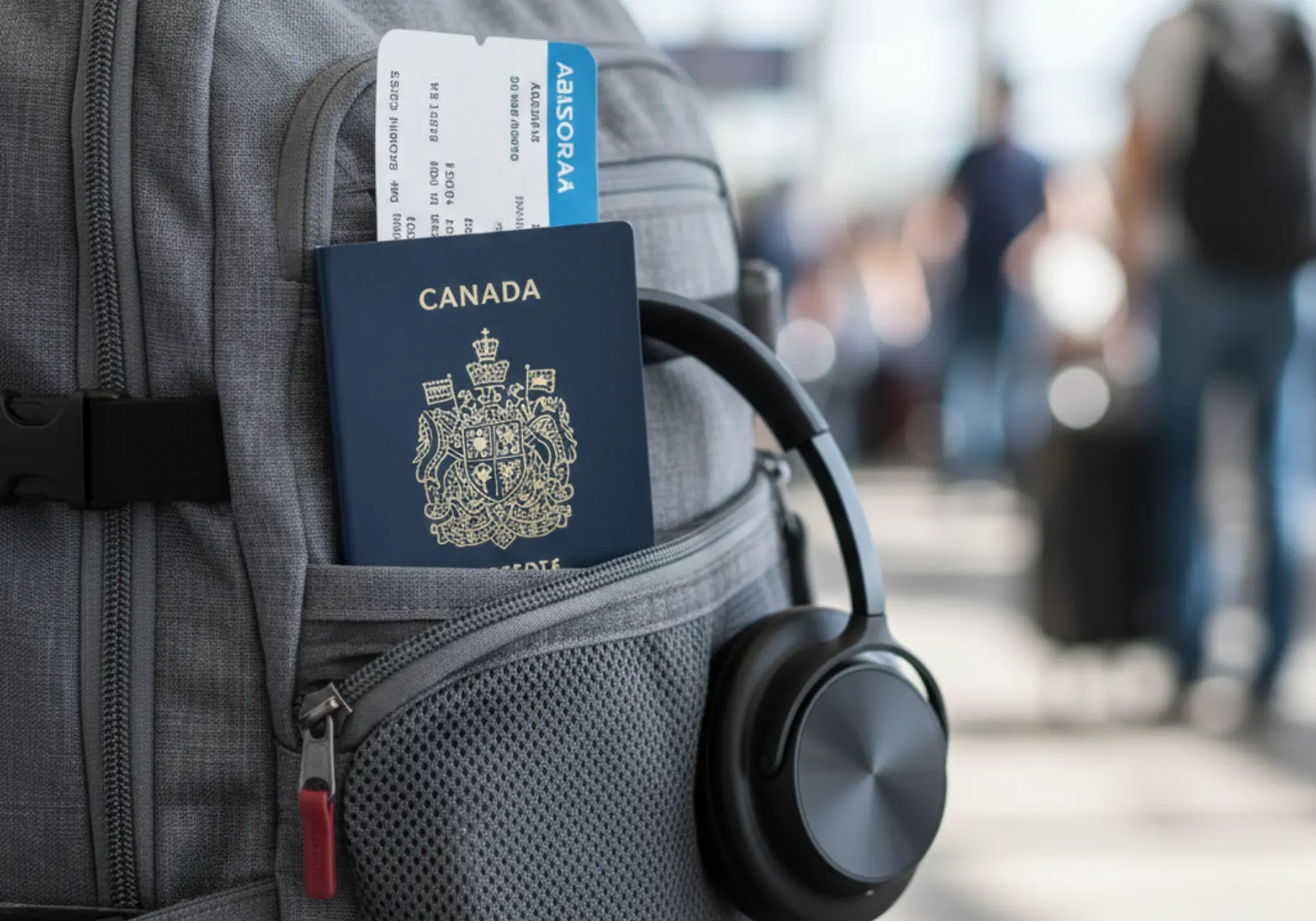
Discover What's Possible with a Visitor Visa
With a Visitor Visa (TRV), you can typically:
- Tour Canada – see cities, national parks and attractions
- Visit family or friends living in Canada
- Attend business meetings, trade shows or conferences
- Attend short courses (≤ 6 months) that don’t require a study permit
If you’re a parent or grandparent of a Canadian citizen or permanent resident, you may qualify for a Super Visa. With a Super Visa, you can stay up to 5 years per visit, with multiple entry validity of up to 10 years, subject to specific requirements.
Who Is Eligible for a Visitor Visa?
To be approved, you need:
- A valid passport and (where required) biometrics
- A medical exam (where required)
- No criminal record
- Enough funds for your trip
- To leave Canada at the end of your visit – show strong ties to home (job, family, property, studies)
- To respect the rules: no unauthorized work or long-term study

Visitor Visa vs. Super Visa
Visitor Visa (TRV)
- For tourism, family and short business visits
- Usually allows stays up to 6 months per entry
- Often issued as a multi-entry visa until passport expiry
Super Visa (Parents & Grandparents)
- For parents and grandparents of Canadian citizens/PRs
- Multi-entry, up to 10 years validity
- Stays up to 5 years per visit (often extendable)
- Subject to specific requirements
Visa4you provides clear guidance on the most suitable options for you and your family and outlines the required documentation for each.
How to Apply for a Visitor Visa (TRV)
1
Check Eligibility
Contact Visa4you to learn more about the requirements and whether you qualify for an eTA, TRV or Super Visa.
2
Gather Documents & Online Application
Visa4you will create your
online profile, will provide a tailored checklist, and will manage your
application from start to finish.
3
Processing & Biometrics
After submission of the application, you'll receive instructions to make an appointment at a Visa Application Center (VAC) to provide your fingerprints.
4
Decision Rendered & Passport Submission
Once your application is approved you will have to submit your passport to the nearest Visa Office in order to receive your Visitor Visa.
Visa4you
handles all documentation, letters, and IRCC correspondence on your behalf.
The Path to Approval Starts With Compliance
Your visa is more than entry to Canada — it's the foundation of your immigration journey. Visa4you's compliance-first approach ensures your plans align with your visa conditions, protecting your eligibility for future work, study, and PR applications.

Why Choose Visa4you?
- Canada focus – We track updates, changes, and processing trends.
- Realistic assessment – We look at your travel history, finances, and ties before we create your application package.
- Family-oriented – Experienced with family visits and Super Visas for parents and grandparents.
- Multilingual – Support in English, German and Dutch, online or in office.
Frequently Asked Questions
Most visitors can stay up to 6 months per entry, unless otherwise stated in your passport.
No, a Visitor Visa does not allow you to work. You need to apply for a different visa should you want to work in Canada.
It is recommended to apply well in advance of travel, often 3-6 months ahead. Some visa offices have a backlog of more than 12 months.
If your Visitor Visa application is
refused, you will receive a refusal letter explaining the reasons for the
decision. Visa4you can address the concerns and reapply with stronger
supporting documents and a clearer explanation on your behalf.
No. A Super Visa is a special long-stay Visitor Visa only for parents and grandparents of Canadian citizens or PRs.
Yes. You can apply inside Canada to extend your stay before your current status expires. If approved, you’ll usually receive a visitor record with a new end date. Check our page Visitor Record for more information about extending your status.
Ready to Apply for a Visitor Visa?
Vacation, business, or family visit — with the right strategy, your Canadian visa is within reach.
Tell us your plans, and we’ll handle the rest: Visitor
Visa, eTA, or Super Visa. Guiding you every step of the way to a successful
approval.